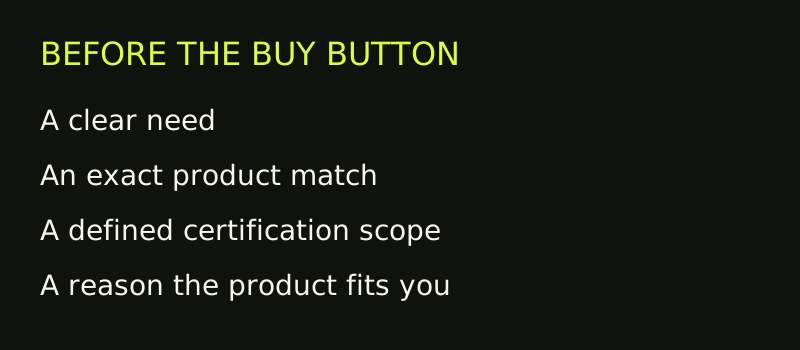
Start with the job: write down the problem you want a purchase to solve. “I need a convenient protein source when food is impractical” is a usable brief. “This brand is trusted by athletes” is a statement about marketing. If the problem remains vague, delay the purchase. A logo should improve the quality of a decision you already understand, rather than create a reason to buy.
Read the directory, not only the tub
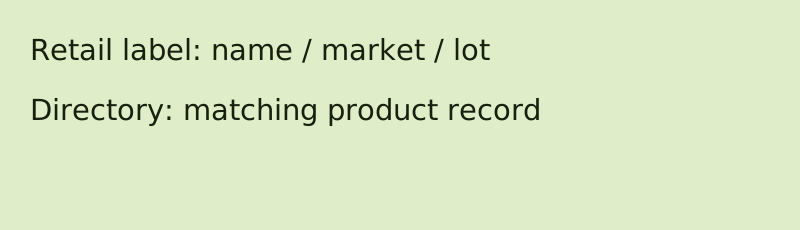
Start at the certification organisation’s own website. Search the product name and compare the result with the item you intend to purchase. Keep the exact name, formulation type and market beside the retailer’s listing. If the programme provides batch or lot information, compare that too. A related product from the same brand is not enough. Neither is a screenshot whose date and origin you cannot establish.
NSF describes its Certified for Sport programme as including banned-substance testing, formulation and label review, facility and supplier inspections, and ongoing monitoring. It directs consumers to its database or app for current certified products. Those are specific checks within a named programme; the phrase “third-party tested” on its own does not explain who performed a test, what was measured, or which product it covered.
What if the names almost match?
Pause the purchase. A rename may be harmless, but that is something to establish from the manufacturer and certifier rather than assume. Save the two names, formula descriptions and source links, then ask for clarification. Do not convert a similar label into an exact match simply because the packaging looks familiar.
Keep risk reduction separate from a guarantee

USADA’s current guidance recommends named third-party programmes to reduce supplement risk. Its guidance also makes clear that certification does not remove every risk. For a drug-tested athlete, that boundary is central: choosing a recognised programme is a risk-management step, not permission to stop checking the product or ignore the rules that apply to the athlete.
The current USADA page lists BSCG, Eurofins Clean Sport Certified, Informed Sport, NSF Certified for Sport and TruShield Certified. This guide reports the list visible when checked; it does not rank the programmes or assert that their methods are identical. An old article naming just one scheme may no longer describe the agency’s current guidance. Reopen the official page rather than relying on a copied list indefinitely.
What should I keep as a record?
As a practical organising step, keep the product name, seller, purchase date, label photograph, lot number and the directory link you checked. A record can help you reconstruct a decision; it cannot establish that an unknown product is safe or guarantee an anti-doping outcome.
Ask what the evidence actually measures
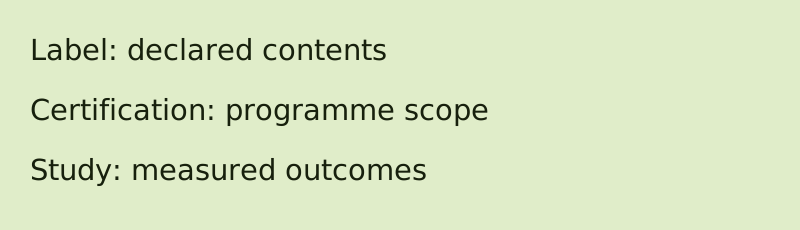
Consider three distinct documents. A product label describes what the manufacturer declares. A certification record describes the programme’s finding or listing. An exercise study investigates an intervention in a particular population. None automatically replaces the others. A trial on an ingredient does not identify the contents of the tub you receive, and a directory entry is not a trial showing better performance.
That separation also helps compare value. Price two products on the same basis: the amount and number of servings relevant to your actual purpose, in the same currency, with delivery and unavoidable charges included. Keep optional subscriptions or temporary codes separate from the ordinary price. If a site shows different prices on its product and collection pages, record the discrepancy and use the checkout total only after checking the exact variant and conditions.
Does paying more buy stronger evidence?
Only if the additional evidence is identifiable and useful. A premium, award or professional endorsement does not itself add a laboratory result or an efficacy study. Ask which specific uncertainty the extra cost resolves. If you cannot answer, the premium has not yet earned a place in your decision.
Make the final choice smaller
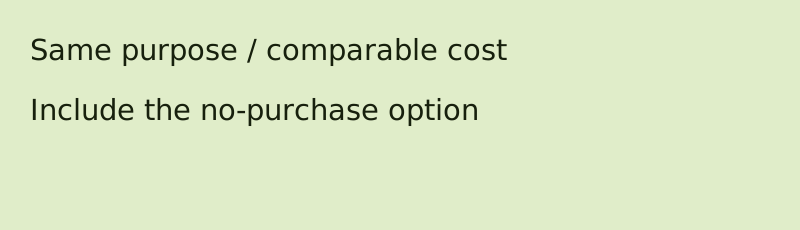
You do not need to solve the entire supplement market. Compare a small set of products that address the same need, include an option to buy nothing, and state the main reason you would skip each one. A product can have a credible quality record and still be an unnecessary expense for you. Likewise, a cheap product is poor value when it does not serve the intended purpose.
If medication, a health condition, pregnancy, an allergy or an adverse reaction makes the choice personal, this checklist is not an adequate substitute for advice from an appropriate healthcare professional. Competitive athletes should also use their sport’s support and anti-doping resources. The practical default is to resolve uncertainty before purchase, rather than use a certification badge to dismiss it.
Continue with ShreddedAF’s supplement reviews and the protein evidence guide.
What would change my decision?
A changed formula, an absent listing, a different market, an unresolved health concern or a higher delivered price should reopen the choice. The previous decision is not permanent.
Worked example — a similar name: imagine that your retailer offers “Sport Protein Vanilla” but the directory shows “Sport Protein Isolate”. Treat this as an unresolved identity question. The shared brand and sport wording do not settle it. Compare the actual label, and ask the certifier or manufacturer whether the listing covers the offered formula. If the answer remains unclear, choose a documented alternative or postpone buying. This hypothetical example illustrates a checking method, not a finding about a named brand.
Worked example — a cheap tub: suppose one tub costs €30 and contains 20 relevant servings, while another costs €24 for 12. Before delivery, those figures are €1.50 and €2.00 per serving respectively. The lower sticker price is the more expensive option on that basis. But the calculation is only fair when the servings address the same purpose; a small serving and a large serving of a different formula are not interchangeable units.
After purchase: repeat the identity check when the package arrives. Keep the seller’s description separate from what is printed on the actual container. If the formula, market or lot information differs from what you checked, stop and resolve the discrepancy before treating the earlier result as applicable. Reordering is also a new opportunity to check: an earlier listing and familiar packaging are useful records, not a permanent assurance.
Sources and scope
- USADA: reduce your supplement risk — current programme list and limitations, checked 21 November 2026.
- NSF: Certified for Sport programme — certification process and directory guidance, checked 21 November 2026.
This is a practical source-checking guide based on official programme guidance, not a clinical evidence review or an announcement of new research. No relevant original Instagram post was verified; the owned graphic and source links provide the visual and attribution fallback.